Best Wineries in Sonoma: Top Vineyards and Estates to Visit
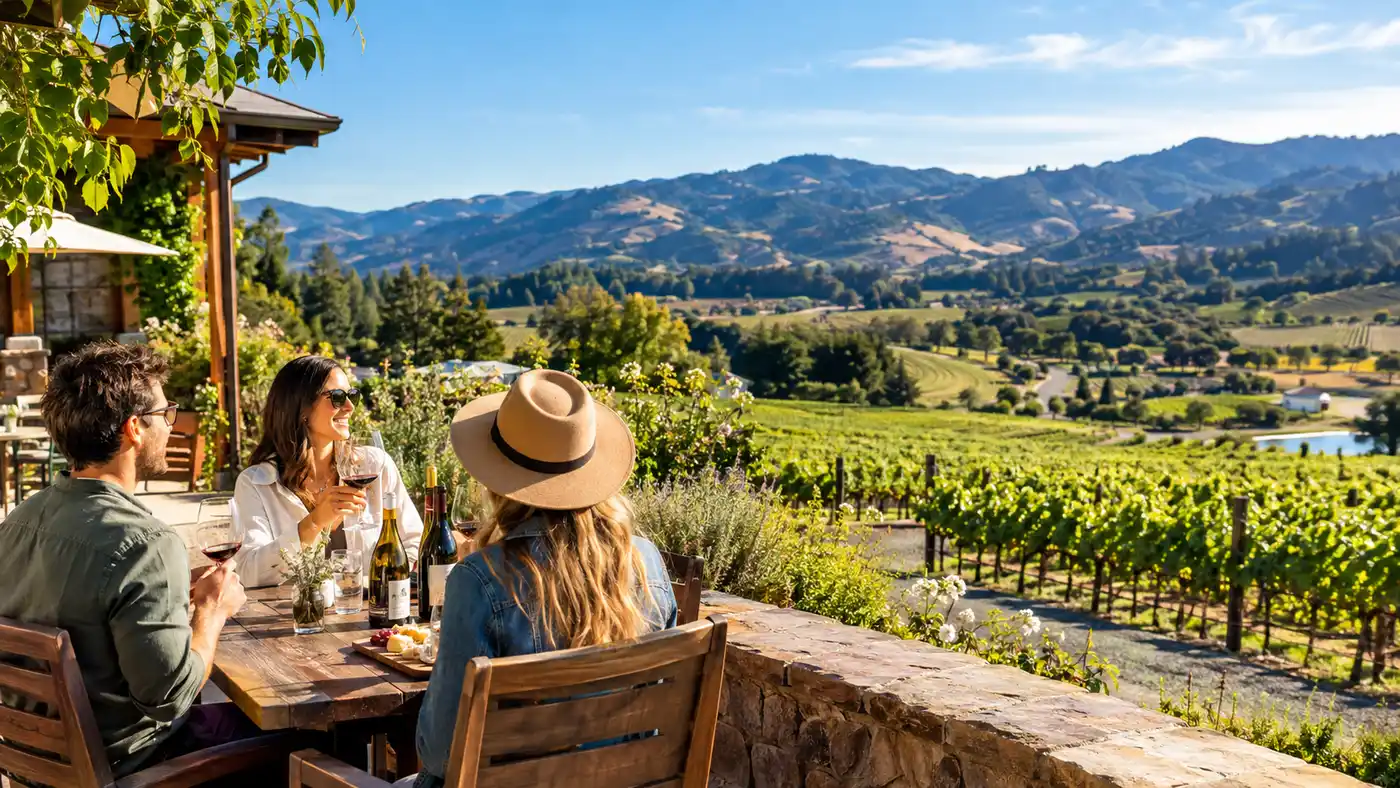
Sonoma County spreads out across more than a million acres of coastal hills, sunbaked river valleys, and redwood pockets, which makes hunting down the best wineries in sonoma feel equal parts thrilling and slightly disorienting. Napa across the Mayacamas Mountains gets the hype for manicured mega-mansions and formal marble tasting bars, but over here, boots usually carry real soil on them. Winemakers answer their own cellar doors on quiet Tuesdays. You might sip an austere, saline Chardonnay inside a converted hay barn or sample old-vine Zinfandel under hundred-year-old eucalyptus trees while wild turkeys pick through the cover crop.
Every small pocket here has its own distinct personality. The chilly fog rolling off the Pacific ocean cools the western ridgelines enough to turn Pinot Noir into something electric and light on its feet, while the northern canyons of Dry Creek and Alexander Valley soak up relentless summer heat that coaxes plush, rich dark fruit from Cabernet and Zinfandel. Whether you are building an ambitious three-day tasting route or just want a lazy afternoon glass under an arbor, finding the top vineyards in Sonoma comes down to knowing which valley floor or rocky ridge matches what you actually love to drink.
Book your sonoma valley wine tasting experience:
Historic Foundations: The Best Sonoma Valley Wineries
History runs deep on the valley floor. If you want to understand where California viticulture found its modern legs, head straight down Old Winery Road east of the town plaza. Buena Vista Winery was founded in 1857 by the eccentric, self-proclaimed Count Agoston Haraszthy. The hand-carved stone cellars burrow right into the limestone hill, cold and damp enough that you will want a jacket even in mid-July. Earthquakes nearly destroyed these stone walls over a century ago, but they were painstakingly retrofitted with steel rods so you can taste rich, structured Merlot surrounded by rough stone blocks that date back before the Civil War.
A few minutes away sits Gundlach Bundschu, which locals simply call "GunBun." The family has been farming this plot of ground since 1858, making it the oldest continuously family-owned estate in California. Six generations have worked these soils. It lacks the theatrical polish of corporate properties, which is precisely why it remains one of the best sonoma valley wineries for an unpretentious afternoon. You grab a flight of their Rhinefarm Cabernet Franc or estate Gewürztraminer, walk out past the donkey paddocks, and sit on grass overlooking a quiet duck pond. It feels lived-in, honest, and easy.
Note: Weekends along the valley corridor get busy quickly between noon and 3:00 PM, and cell reception drops off abruptly once you leave Highway 12, so screenshot your driving directions before heading into the hills.
Further north in Kenwood, Chateau St. Jean presents an entirely different face of historic sonoma valley wine country. Built around an 1880s country estate with manicured boxwood gardens, sweeping lawn games, and Mediterranean architecture, it looks grand without feeling stuffy. Their flagship red blend, Cinq Cépages, put Sonoma County reds on the global collector radar in the 1990s. The property lets you split a bottle on the patio without fuss, which makes it one of the genuinely good wineries in sonoma if your group contains both serious collectors and people who just want a gorgeous spot to chat.
If you prefer walking between stops without getting back behind the wheel, the historic square in town holds dozens of cellar doorways. Spending an afternoon wandering between hidden tasting spaces on the plaza gives you a fantastic sense of smaller producers without highway driving.
Cool Coast Giants: Best Pinot Noir Wineries in Sonoma
The weather changes violently as you head west. You drive past Sebastopol through the Russian River Valley toward the coastline, watching the temperature gauge drop 20 degrees in less than forty minutes. This is where fog gathers thick every evening, preserving needle-sharp acidity in cool-climate varieties. For decades, the Russian River and Sonoma Coast AVAs have produced the best sonoma red wines for people who favor elegance and spice over massive oak tannins.
Rochioli Vineyards and Winery sits quietly on Westside Road, watching the morning mists burn off the riverbanks. Joe Rochioli Jr. was among the first growers here to gamble on planting Pinot Noir back in 1968, when most neighbors were still ripping out grapes to plant Gravenstein apples. That gamble defined modern Sonoma wine. Their single-vineyard bottlings - particularly the Little Hill and River Block blocks - showcase bright sour cherry, blood orange peel, and damp woodland earth. Getting your hands on their reserve bottles requires being on a waiting list that moves slowly, but a standard outdoor flight offers an unmatched masterclass in terroir.
Keep driving down Westside Road to find Gary Farrell, perched high on a ridge overlooking the entire foggy basin. The tasting terrace offers panoramic views that explain why cool air settles so heavily across this valley floor. They source fruit from top-tier grower vineyards across the region, allowing you to taste Chardonnays made with identical cellar techniques from sites just five miles apart to see how drastic soil and fog variations shape the glass.
Pro tip: Wear layers when visiting western Sonoma wineries, because you will often start in scorching 85-degree sun at noon and end up shivering in a 62-degree marine mist by 4:30 PM.
Further out toward the jagged ocean bluffs lies the Fort Ross-Seaview AVA, where Flowers Vineyards and Winery originally forged their reputation. Their newer hospitality estate, House of Flowers, sits tucked into redwoods just outside Healdsburg. It feels like an architectural sanctuary, featuring moss gardens, low wooden decks, and artisan food pairings that elevate their high-elevation Pinot Noir into something memorable. Tastings run around $65, but the attention to pacing makes it well worth the spend.
Sun and Stone: Dry Creek and Alexander Valley Estates
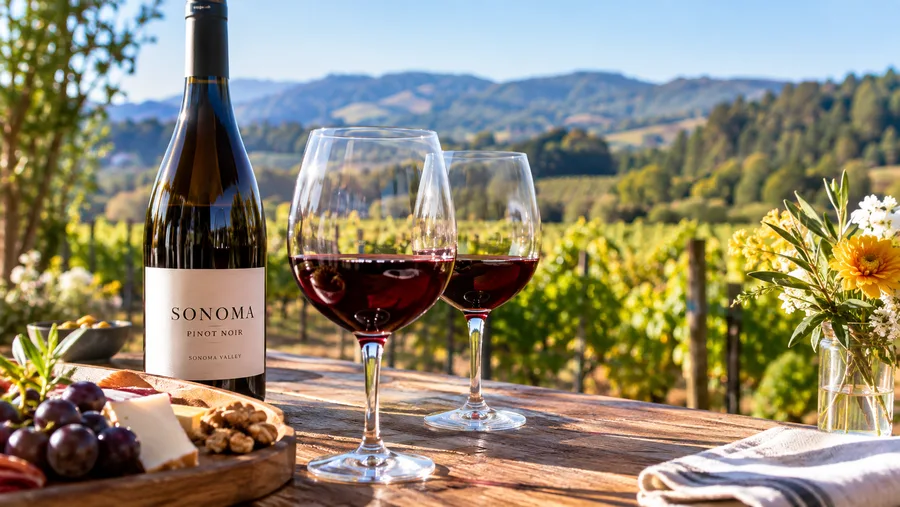
When you head north of Healdsburg, the topography hardens into steep gravel terraces and red clay knolls. Dry Creek Valley spans barely sixteen miles from tip to toe, but it contains some of the most celebrated old-vine Zinfandel on earth. At Ridge Vineyards' Lytton Springs, the vines look like gnarly, twisted bonsai trees rising directly out of gray dust. Many of these field-blend vines were planted in 1901. Ridge farms organically, fermenting with native yeasts and using minimal intervention, producing bottles that age comfortably for thirty years. Their tasting room itself is an eco-architectural marvel built entirely from straw bales and vineyard clay.
Cross the highway ridge eastward into Alexander Valley, and the climate shifts again. Here, Cabernet Sauvignon reigns supreme. Silver Oak built a remarkably sustainable Alexander Valley outpost in 2018, blanketed with solar panels and constructed from salvaged barn wood. The building frames endless vistas of estate vineyards, and their focus remains laser-sharp: they pour American oak-aged Alexander Valley Cabernet that shows smooth dill, vanilla, and ripe blackberry flavors from first sip to last.
For visitors who want drama alongside their stemware, exploring scenic winery terraces throughout these northern valleys reveals hillside estates that rival anything in Europe. Jordan Vineyard and Winery stands out as an ivy-covered French-style chateau set inside a 1,200-acre estate of rolling hills, olive groves, and fishing lakes. Tastings here feel like an unhurried culinary excursion, complete with pours of library vintages and estate-pressed extra virgin olive oil.
Down-to-earth options are equally plentiful nearby:
- Mauritson Wines: Rockpile-grown Zinfandels with intense minerality and bright cracked pepper notes, poured by staff who actually know the soil composition.
- Dry Creek Vineyard: Casual, breezy patio with competitive prices and dry, grassy Fumé Blanc that defined California Sauvignon Blanc in the 1970s.
- A. Rafanelli Winery: Family-run, old-school operation that takes reservations strictly over the telephone and sells out their robust red wines directly at the door.
Book your sonoma valley wine tasting experience:
Planning Your Route: Comparing Top Sonoma Vineyards
Trying to drive from Alexander Valley in the northeast down to Carneros along San Pablo Bay takes nearly an hour and a half without traffic, and traversing winding mountain passes will drain your energy quickly. Grouping your tasting appointments by geographic micro-region makes the difference between an idyllic trip and an exhausting marathon behind a steering wheel. Most visitors find that scheduling two winery appointments each day, with a generous stop for a relaxed lunch in between, yields the best balance.
Understanding the pricing landscape beforehand also keeps surprises off your credit card statement. A decade ago, free tastings were common across Sonoma; today, almost every estate charges a tasting fee ranging from $30 up to $125 for private estate tours. Booking your tasting reservations and passes well in advance is essential, especially for smaller family properties that operate under strict county use permits limiting daily guest numbers.
| Winery Estate | Region / AVA | Standout Varietals | Standard Tasting Fee | Vibe & Atmosphere |
|---|---|---|---|---|
| Buena Vista | Sonoma Valley | Merlot, Cabernet, Pinot Noir | $35 - $50 | Historic stone cellars, theatrical |
| Gundlach Bundschu | Sonoma Valley | Cabernet Franc, Zinfandel | $40 | Rustic, family-farmed, relaxed |
| Rochioli Vineyards | Russian River Valley | Single-Vineyard Pinot Noir, Chardonnay | $45 | Unpretentious, collector-focused |
| Ridge - Lytton Springs | Dry Creek Valley | Old-Vine Zinfandel, Field Blends | $35 | Eco-conscious, legendary terroir |
| Jordan Vineyard | Alexander Valley | Cabernet Sauvignon, Chardonnay | $50 - $125 | Grand French chateau, culinary-focused |
| Flowers Winery | Sonoma Coast / Russian River | Coast Pinot Noir, Saline Chardonnay | $65 | Modern design, landscaped gardens |
Getting the Most Out of Sonoma Wine Tastings
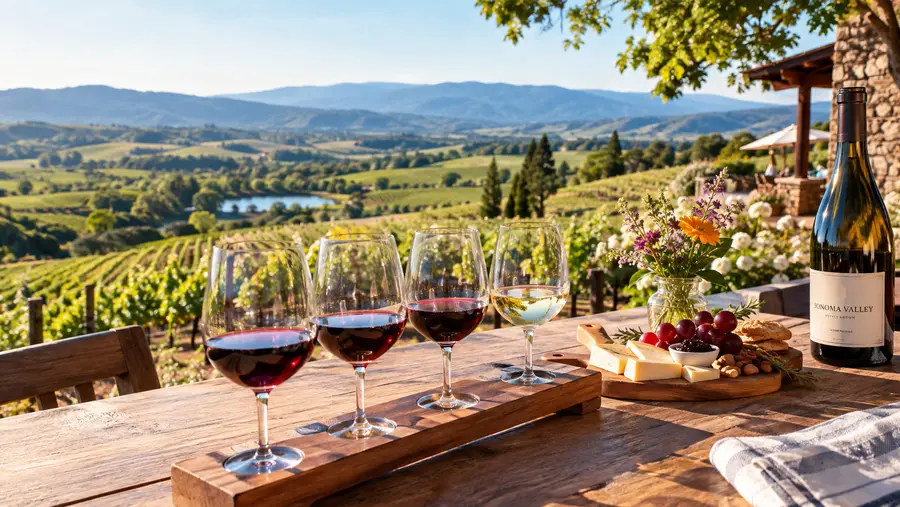
Wine tasting can easily turn into an overwhelming blur of oak chips, dry tannins, and high alcohol levels if you jump between five spots in a single day. Three tasting stops is the absolute maximum realistic limit, but honestly, two is where you actually enjoy yourself. It gives you room to sit back, breathe the orchard air, ask the host strange questions about rootstocks, and avoid checking your watch every twenty minutes to make the next highway exit.
Keep a few practical habits in mind while navigating the tasting rooms:
- Pace your consumption: Use the dump bucket freely; winemakers expect you to pour out unfinished sips rather than forcing down every drop.
- Ask about club bottle waivers: Most estates waive standard flight fees if you purchase two to three bottles or join their membership allocations.
- Keep bottles out of hot trunks: Summer car boots can easily top 110 degrees, which will cook fine wine and pop corks within two hours.
- Book morning slots: The 10:30 AM or 11:00 AM appointments consistently deliver the quietest tasting rooms and the most attentive estate hosts.
Eating well along the way keeps your palate sharp. Sonoma produces some of the finest cheeses, sourdough loaves, and produce in North America, so skip chain restaurants and pick up lunch provisions from local delis like the Dry Creek General Store or the Sonoma Market before starting your morning drives.
Frequently Asked Questions about best wineries in sonoma
Do I need reservations to visit wineries in Sonoma?
Yes, the vast majority of Sonoma County wineries now require advance reservations for seated tastings. While a few large tasting bars along main thoroughfares still accommodate spontaneous walk-ins on weekdays, county regulations and staffing limits mean high-demand boutique estates routinely book up three to six weeks ahead for weekend slots.
What is the best time of year to visit Sonoma vineyards?
Harvest season from late August through October offers palpable energy as tractors haul bins of ripe grapes to crushing pads, though it is the most crowded and expensive time to visit. May and June provide gorgeous green hillsides, warm sunny days without extreme inland heat, and far lighter crowds along the tasting trails.
How do Sonoma wineries differ from Napa wineries?
Sonoma is double the physical size of Napa and significantly more rural, spread out, and agriculturally diverse. The atmosphere tends to be more casual, tasting fees average about 25 to 30 percent lower, and the region excels with cool-climate Pinot Noir and crisp Chardonnay alongside the massive, warm-climate Cabernet Sauvignon that dominates Napa.
Quick Reference
- Over 425 bonded wineries across 19 AVAs
- Average tasting flight: $35 to $60 per guest
- Primary signature grapes: Pinot Noir, Chardonnay, Zinfandel, Cabernet
- Drive time across county: 75 to 90 minutes east-to-west
Book your sonoma valley wine tasting experience:
The Bottom Line
Sonoma is not the kind of wine country where you should rush from one appointment to the next with a rigid schedule taped to the dashboard. The magic here shows up when you linger over an unexpected pour of dry Rosé, chat with someone who grew up pruning the very vines you are looking at, and let the afternoon unspool at its own pace. Pick a single valley, book two modest appointments, and leave enough space in your afternoon to follow an unmarked gravel road down to a farm stand or a quiet riverbank.
Read more about sonoma valley wine tasting.