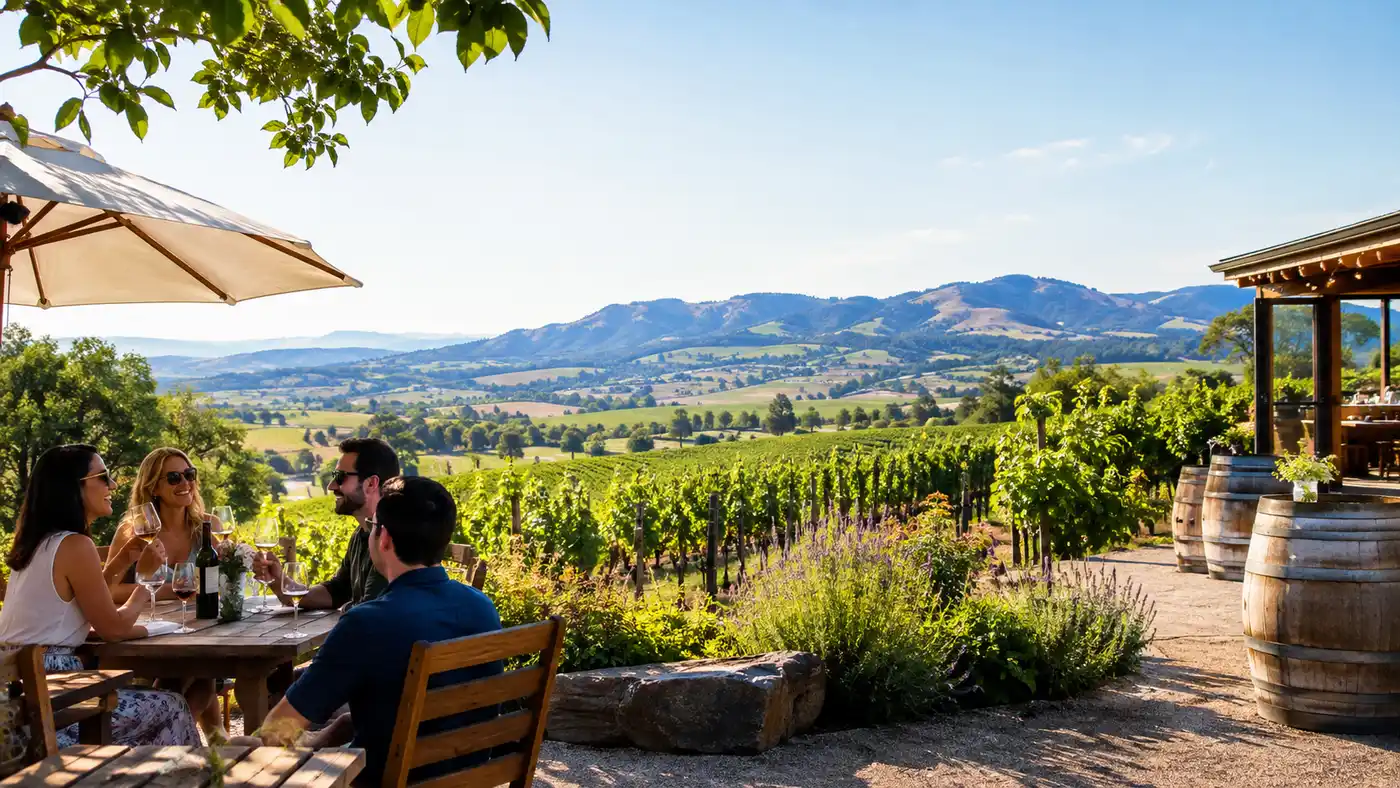
Small, Boutique & Unique Wineries in Sonoma
Big tour buses idling along Highway 12 always give me a headache. You pull into a grand faux-Tuscan estate, stand four people deep at an overcrowded marble bar, and listen to a tired employee recite tasting notes they memorized off an index card. If you enjoy slick commercial showrooms, that is completely fine. But the true soul of Northern California viticulture hides down cracked asphalt lanes and winding gravel driveways where an old Australian Shepherd greets your car. Spending an afternoon discovering boutique wineries in sonoma changes your entire trip. You slow down, hear the breeze through the dry grass, and often share a drink with the person who actually tended the vines all winter.
Sonoma County stretches across more than one million acres. Within that massive footprint, tucked between foggy coastal ridges and sun-baked valley floors, you will find tiny agricultural plots, garage cellars, and multi-generational families producing fewer than 1,500 cases each vintage. This guide skips the generic tourist traps. We are hunting down the eccentric cellar doors, regenerative farms making raw juice, quiet producers bottling rare Italian varieties, and the best small vineyards in Sonoma that still feel like honest working soil.
Book your sonoma valley wine tasting experience:
What Makes Boutique Wineries in Sonoma Special?
Scale dictates everything in winemaking. When an industrial facility bottles 150,000 cases a year, consistency becomes a chemistry equation. Fruit gets blended together from twenty different contract growers, commercial yeasts ensure a predictable outcome, and the resulting bottle tastes exactly identical whether you drink it in San Francisco or an airport lounge in Ohio. Small-batch winemaking works in reverse. When a vigneron produces only 600 cases, every single barrel reflects the precise weather of that specific summer. You get idiosyncrasy. You get genuine vintage variation. A true micro winery sonoma spot gives you an unvarnished seat right at the edge of the fermenting tank.
You often end up sitting on an upturned plastic grape bin or around an old redwood picnic bench shaded by live oaks. Conversation flows naturally. The host might be an assistant winemaker, the founder's daughter, or the owner himself wiping cellar grime from his jeans before pouring your flight. They will answer oddball questions about rootstocks and winter rainfall instead of trying to sell you branded wine totes and etched stemware.
Cost is another frequent surprise. Visiting little vineyards sonoma has tucked away does not mean emptying your bank account. Plenty of intimate tastings cost around $30 to $40, and the fee is frequently credited back if you buy two or three bottles. Compare that to the eye-watering $110 sit-down tastings at corporate estates along the valley floor. More than the money, the unhurried pace makes all the difference. Small operations book only a handful of guests each afternoon, so nobody hovers near your table waiting to clear your glasses for the next party.
Natural Wine Sonoma and Unusual Varieties
Most visitors show up in Northern California expecting heavy, buttery Chardonnay and aggressive Cabernet Sauvignon aged in new French oak. You can locate those anywhere. What makes exploring unique sonoma wineries exciting is discovering growers who deliberately ripped out profitable standard grapes to plant heritage cuttings that suit the actual terrain.
Take Unti Vineyards out in the Dry Creek Valley. Mick Unti and his father George started planting Rhône and Mediterranean varieties back in 1990 when everyone else was chasing generic fruit. Today it is arguably the finest italian winery sonoma has to offer, without a single cheesy Roman column or fake piazza in sight. They farm roughly 60 acres using organic practices, turning out lean Vermentino, peppery Barbera, and savory Sangiovese that will completely rewire your brain about local possibilities. Tastings happen inside an unpretentious metal barn that smells of damp concrete, wet oak barrels, and fermenting juice. It feels grounded, honest, and wonderfully devoid of pretension.
A few miles down West Dry Creek Road sits Preston Farm & Winery, a certified biodynamic winery sonoma treasure. Lou Preston stepped back from commercial grape farming decades ago to rebuild a balanced ecosystem. Alongside heritage Zinfandel and Rhône varietals, the Preston team tends vegetable gardens, grazes sheep, presses estate olive oil, and bakes fresh sourdough bread in an outdoor wood-fired hearth. It is rustic, lively, and unmanicured. You sip earthy natural wine while watching chickens peck under the trellises, surrounded by wooden crates of fresh heirloom garlic and cabbages.
Pro tip: Bring a small insulated cooler in the back of your car during the dry summer months. Natural and biodynamic wines rarely contain heavy doses of stabilizing sulfur, meaning fragile bottles will spoil quickly if left sitting in a hot trunk while you stop for lunch.
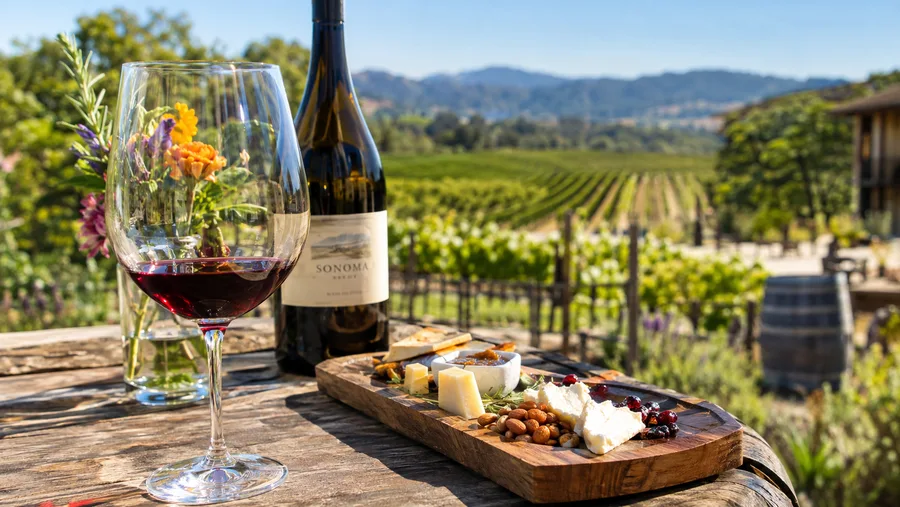
Unique Wineries in Sonoma for Bubbles and Heritage Zinfandel
Big sparkling houses in California tend to lean heavily into corporate luxury styling. Yet champagne tasting sonoma style can be wonderfully casual when you seek out independent producers working with the classic traditional method. You do not need to book an expensive champagne winery in sonoma with a formal dress code to enjoy exceptional sparkling wine.
Breathless Wines operates near the edge of downtown Healdsburg out of a cheerful garden compound centered around an upcycled shipping container. Created by three sisters, the space feels friendly and sunny. Their sparkling wines - from a crisp Blanc de Blancs to a bone-dry sparkling rosé - rival historic French houses while keeping prices approachable. Sitting out on their shaded gravel terrace demonstrates that a relaxed champagne tasting in sonoma is far more enjoyable than standing on marble floors under chandelier lighting. If you venture further south into the Russian River Valley, Inman Family Wines crafts small lots of grower sparklers and un-oaked chardonnays that showcase Kathleen Inman's meticulous, sensitive vineyard stewardship.
For red wine aficionados, sonoma zinfandel wineries preserve the county's deepest agricultural roots. Bucklin Old Hill Ranch in Glen Ellen manages an ancient field planted in 1885. Over 30 grape varieties grow scrambled together across the plot, reflecting how 19th-century immigrant farmers protected themselves against crop failure. Drinking their estate blend is like drinking edible history. The wine is concentrated, complex, and full of brambly spice that modern high-density vineyards simply cannot replicate.
- Look for low case volumes: Choosing producers bottling under 3,500 total cases ensures you receive a private, highly personalized tasting.
- Seek out field blends: Century-old vineyards where multiple red varieties grow side-by-side produce far more character than single-clone plantings.
- Check cellar temperatures: Wear a warm flannel or light jacket, because true working-cellar tastings happen right where barrels rest at 58 degrees.
- Target direct sales: Many micro labels never sell through supermarket channels, making these tasting stops your sole opportunity to buy their bottles.
| Winery | Region | Wine Focus | Approximate Fee & Style |
|---|---|---|---|
| Unti Vineyards | Dry Creek Valley | Italian and Rhône varietals (Sangiovese, Vermentino) | $35, casual working barrel cellar |
| Preston Farm & Winery | Dry Creek Valley | Biodynamic field blends, Zinfandel, Rhônes | $30, rustic farmstead with food products |
| Bucklin Old Hill Ranch | Sonoma Valley | Historic 1885 field-blend Zinfandels | $40, intimate vineyard walk and history |
| Breathless Wines | Healdsburg | Traditional-method sparkling wines | $32, garden patio next to downtown |
| Reeve Wines | Dry Creek Valley | Pinot Noir, Riesling, low-intervention reds | $50, hillside terrace with wood-fired bites |
Book your sonoma valley wine tasting experience:
Planning Visits to Little Vineyards Sonoma Has Hidden Away
Organizing a day around independent cellars requires a bit more forethought than cruising down the main highway. County zoning ordinances tightly restrict vehicle counts and visitor hours for small family parcels. Pulling up without a booking at a little winery sonoma grower maintains often results in facing a closed iron gate, or interrupting a solitary owner who is busy fixing a tractor.
Take an evening to read our practical overview of Sonoma wine tasting reservations and passes to master the regional scheduling landscape. Trying to cram five stops into a single Saturday will ruin your mood. Two thorough, leisurely tastings give your senses room to breathe, leaving plenty of room for an afternoon drive through shaded mountain passes.
Note: Tiny producers often handle bookings through short personal emails or direct texts rather than commercial reservation software. If you do not see online availability on their website, send a polite message three weeks early and they will frequently squeeze you in.
Before you hit the pavement, consult our detailed Sonoma Valley winery map to understand regional distances. The county looks compact on flat maps, but narrow mountain switchbacks and tractor traffic turn a seemingly short 14-mile hop between Russian River pinot producers and eastern hillside zinfandel cellars into a 50-minute trek. Group your appointments by valley to keep travel stress low.
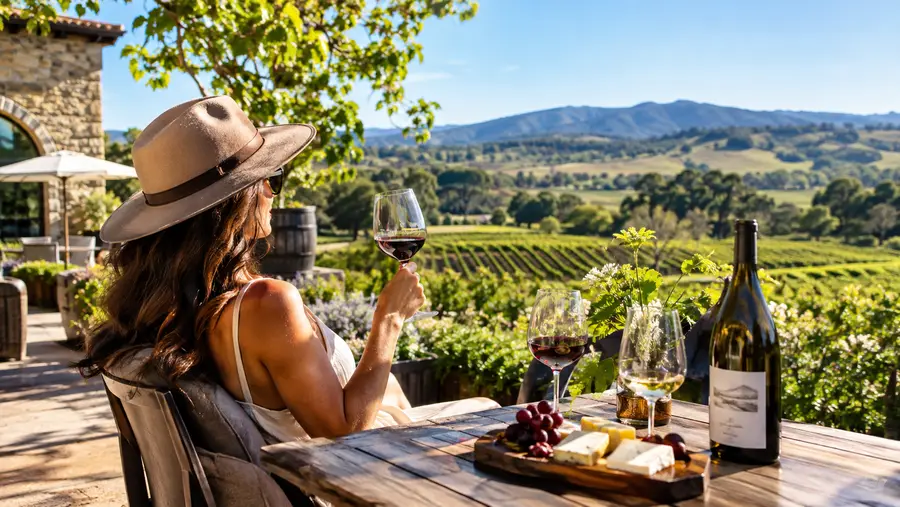
Family Friendly Sonoma Wineries and Fun Outings
Traveling with children makes winery selection delicate. Many places explicitly enforce adults-only grounds, while others feature fragile displays that turn every step into an anxious ordeal. Luckily, several small operations understand real life and provide wonderfully down-to-earth environments.
Belden Barns sits high on the windy slopes of Sonoma Mountain. It easily ranks among the best family friendly sonoma wineries anywhere in California. Upon arrival, kids can grab loaner adventure backpacks stocked with magnifying glasses, bug jars, field identification books, and sketch pads so they can explore the farm pasture. Meanwhile, parents sample exceptional estate Pinot Noir, crisp Grüner Veltliner, and bone-dry cider on the lawn. It is unpretentious, scenic, and relaxing for everyone involved.
Further west along the river, Truett Hurst combines serious biodynamic biodiverse farming with pure country leisure. Their riverside path leads down to shaded wooden chairs overlooking Dry Creek, where children can spot steelheads and wild ducks while parents enjoy a glass of old-vine Zinfandel. It is a genuine, peaceful afternoon that makes wine tourism feel human again. These kinds of sonoma county wineries unique experiences show that authentic hospitality beats sterile tasting rooms every single day.
- Keep itineraries lean: Book no more than two appointments per day if traveling with little kids to prevent afternoon meltdowns.
- Pack substantial snacks: Remote farm vineyards rarely sell prepared lunches, so pick up sandwiches and fruit at local delis in town.
- Wear sensible boots: Skip formal shoes for working ranches, as dirt drives, loose gravel, and mud puddles are part of the charm.
- Inquire about vineyard dogs: If your children are nervous around pets, call ahead, because farm dogs roam freely at several of these locations.
Frequently Asked Questions about boutique wineries in sonoma
What qualifies as a boutique winery in Sonoma?
Generally, boutique labels produce fewer than 5,000 cases of wine each year. Most are family-owned properties where fruit is estate-grown, harvested by hand, and poured by staff who work directly in vineyard and cellar operations.
Do I need reservations at small and unique Sonoma wineries?
Yes. Due to strict municipal permits and tiny hosting teams, almost every small vineyard requires an advance appointment. Booking a couple of weeks ahead ensures you get dedicated attention from the host.
Are boutique wineries more expensive than large commercial estates?
Not usually. Tasting fees at small producers typically range from $25 to $45, while major corporate tasting rooms frequently charge between $60 and $125. Bottle prices are often comparable, but boutique sales support independent farmers directly.
Quick Reference
- Average boutique tasting fee: $25 to $45
- Ideal daily pace: 2 appointments per day
- Booking window: 2 to 4 weeks ahead
- Best exploration areas: Dry Creek, Westside Road, Glen Ellen
Book your sonoma valley wine tasting experience:
The Bottom Line
Sonoma is too vast, too historic, and too agriculturally rich to spend your trip shuffling between generic tourist outposts. The real magic happens out where the valley walls climb toward the redwoods, down single-lane roads where growers still answer their own cellar phones. Book a couple of small producers, pack a sensible jacket, show up curious, and let the valley surprise you.
Read more about sonoma valley wine tasting.